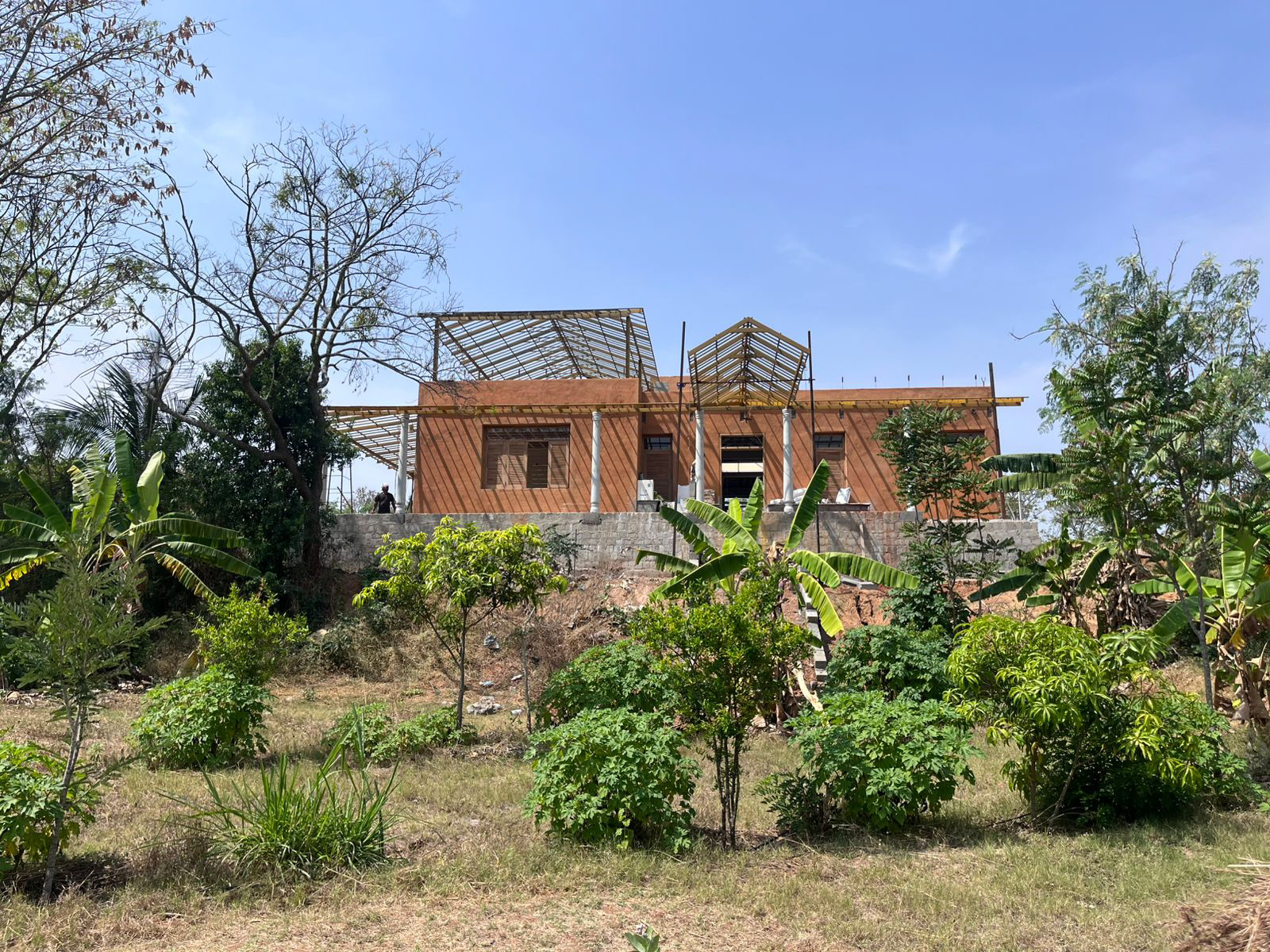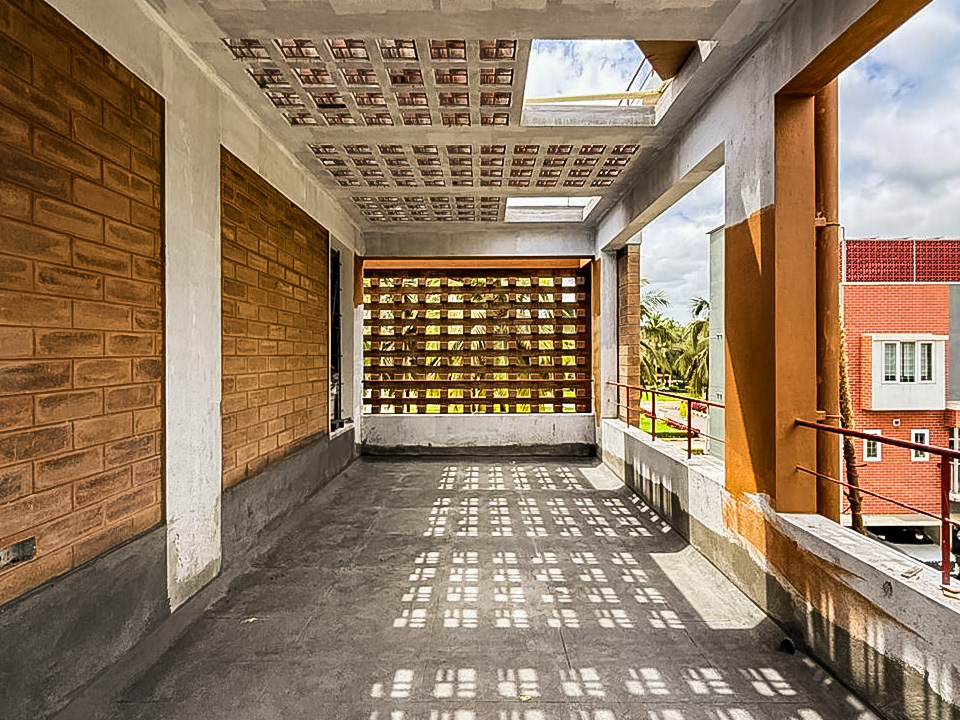
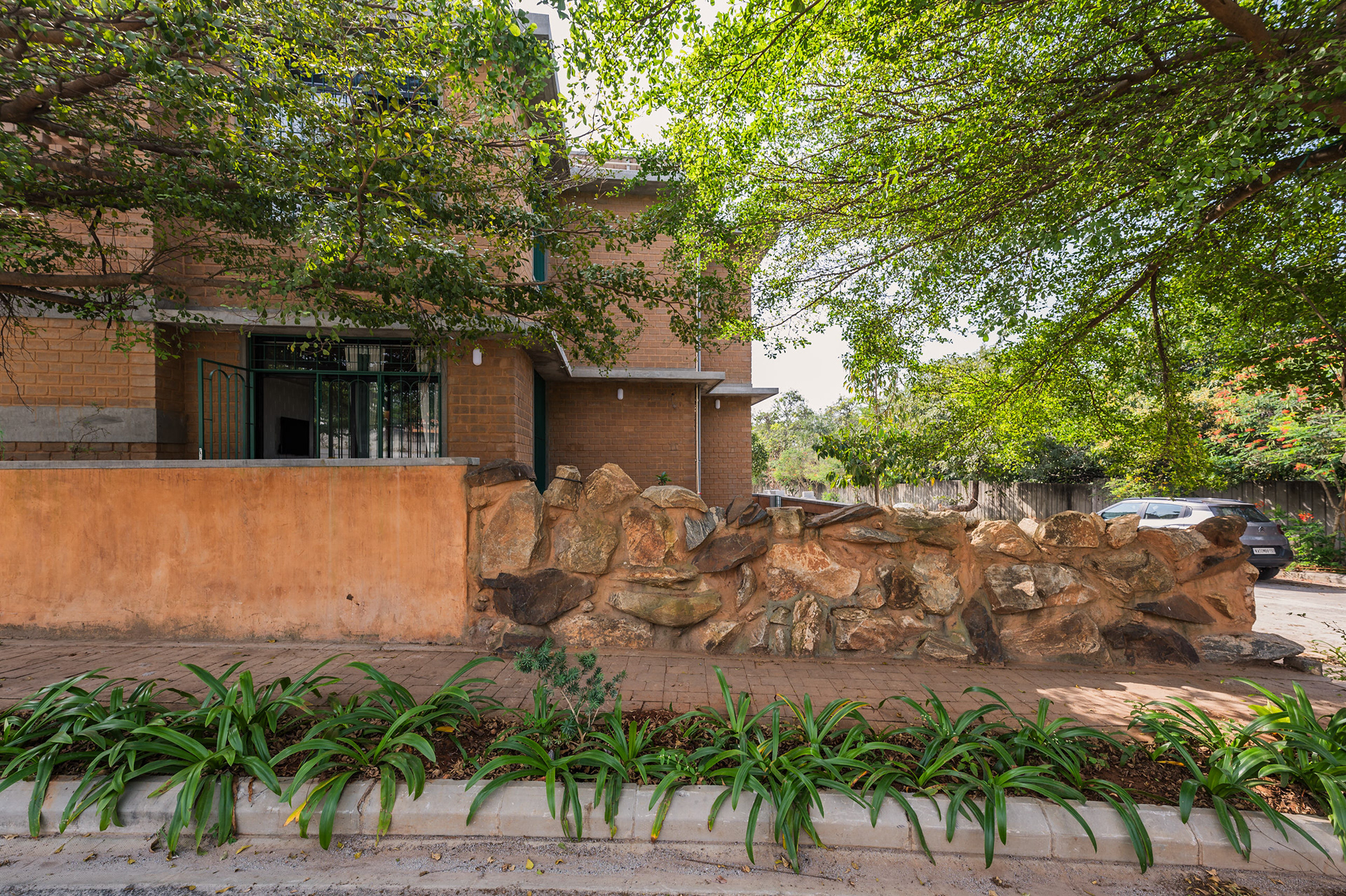
Why Do We Only Question Natural Building and Never the Conventional ?
Why is it that alternative building systems are questioned endlessly, while conventional construction methods glide by without a single pause?
Why do traditional, natural, and human-centric building practices attract skepticism, while fast, technology-led construction is accepted as the inevitable future?
These are the conversations I find myself repeating every time someone asks about the work I do.
And the questions are almost always the same:
“How long will these buildings last?”
“Can I have a rooftop garden on such a building?”
“How do you waterproof structures made with natural materials?”
“Can I have a rooftop garden on such a building?”
“How do you waterproof structures made with natural materials?”
Each time, I wonder — why are these questions never directed at conventional buildings?
Why is durability doubted only when the method is natural, traditional, or local?
Why is durability doubted only when the method is natural, traditional, or local?
The Blind Faith in “Modern” Systems
In our eagerness to adopt a “new urban life,” we’ve forgotten that we operate within a capitalist ecosystem where perception is shaped by profit. We’ve been conditioned to trust what is mass-produced, backed by corporations, and labelled as modern.
But pause for a moment.
If longevity is the measure, why is there unquestioned faith in cement and steel?
Most of the world’s architectural marvels — from the Tower of Pisa to the Taj Mahal — were built without modern concrete. And yet, no one stands before these structures and asks, “Will it last?”
The irony is unmistakable.
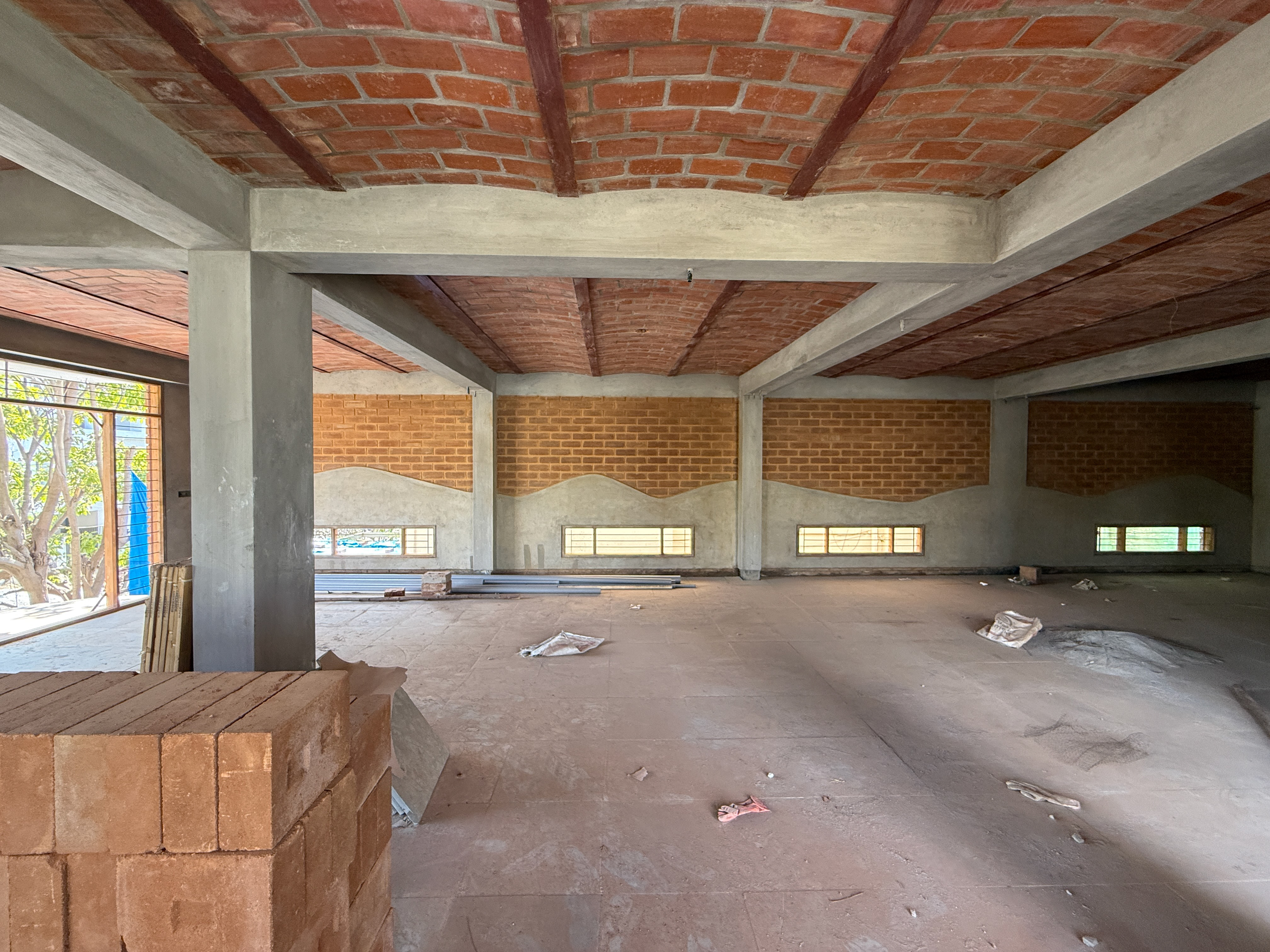
Natural building is not experimental or fragile. It is ancient knowledge — how humans built for centuries before industrial materials existed. Concrete isn’t the villain. But anything used excessively, thoughtlessly, and universally deserves to be questioned.
The Questions We Should Be Asking
Instead of doubting natural building systems, perhaps the real scrutiny belongs elsewhere — to a construction industry running on consumption with very little introspection.
The questions worth asking are:
How do we minimize concrete?
How can thoughtful design, not expensive materials, optimize cost?
What temperature difference will I experience in a naturally designed home?
Who benefits from my material choices — a community or a corporation?
These are the questions that shift the conversation from fear to responsibility.
Who Really Benefits From Our Choices?
Every time we choose cement, steel, or material-intensive solutions without questioning them, we strengthen a system designed for corporate gain, environmental strain, and resource-heavy supply chains.
We participate in a cycle where profit is prioritized, and the planet pays the price.
We participate in a cycle where profit is prioritized, and the planet pays the price.
But each time we choose local, human-centric methods — natural materials, regional skills, slower but more mindful processes — we create impact where it matters.
We empower craftsmen.
We support traditional knowledge.
We reduce consumption and increase value.
We empower craftsmen.
We support traditional knowledge.
We reduce consumption and increase value.
We choose a future where homes are not just built to stand, but built to belong.