Detail Is the Absence of Effort in Design
When a space is truly well designed, it does not call attention to itself. It does not ask to be admired. It simply feels right.
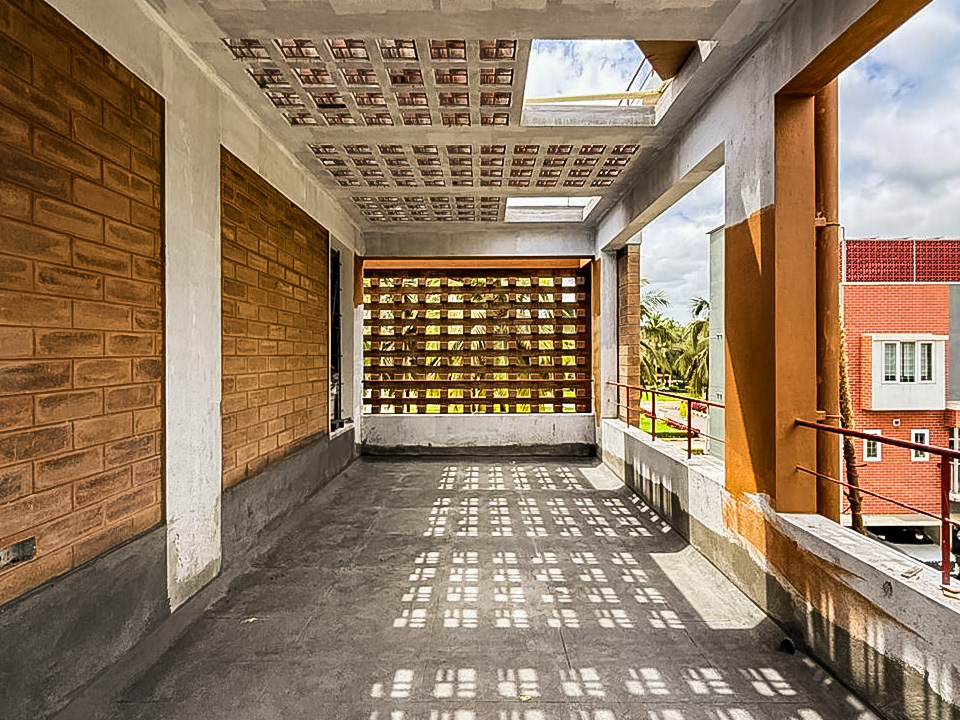
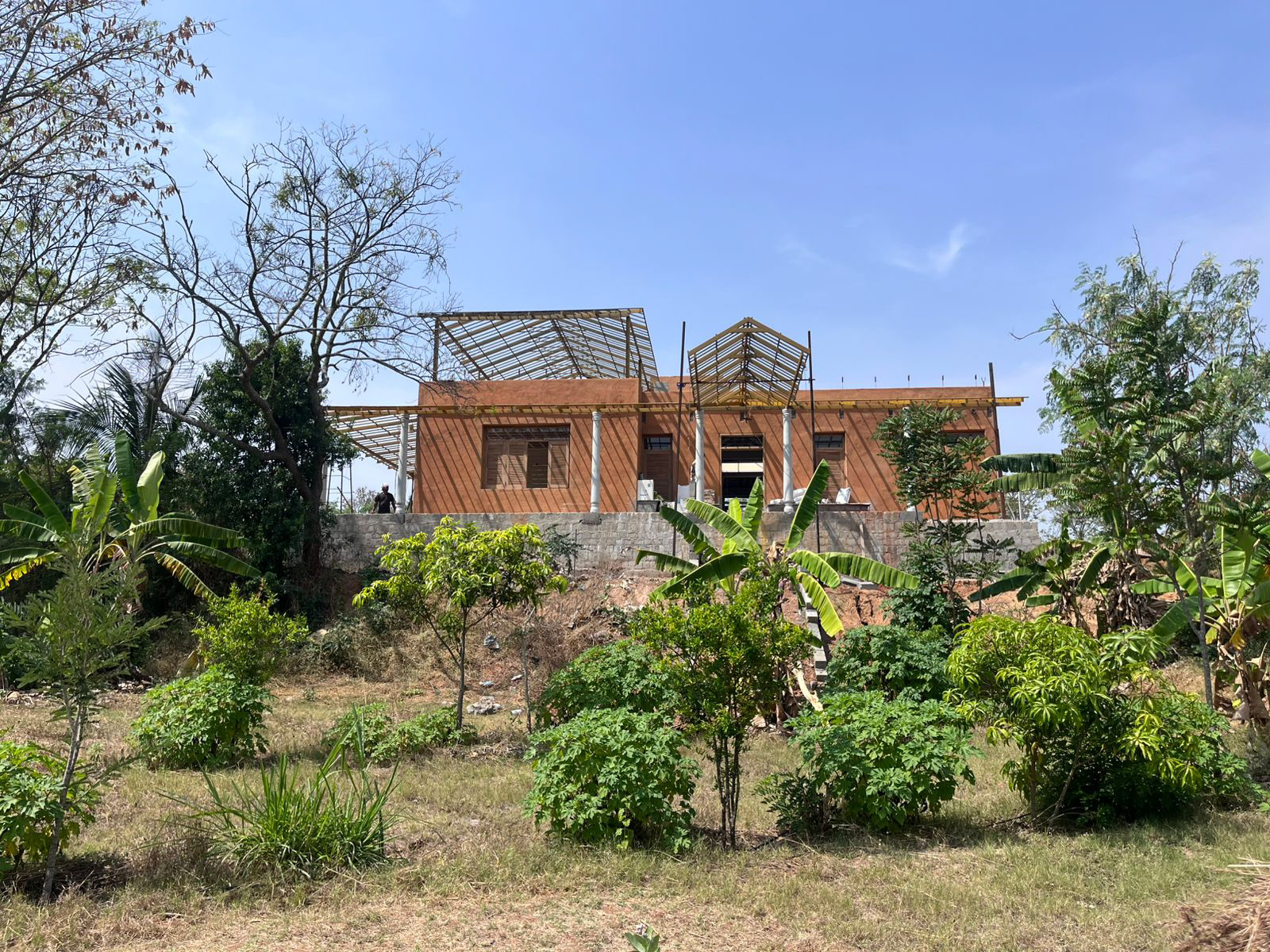
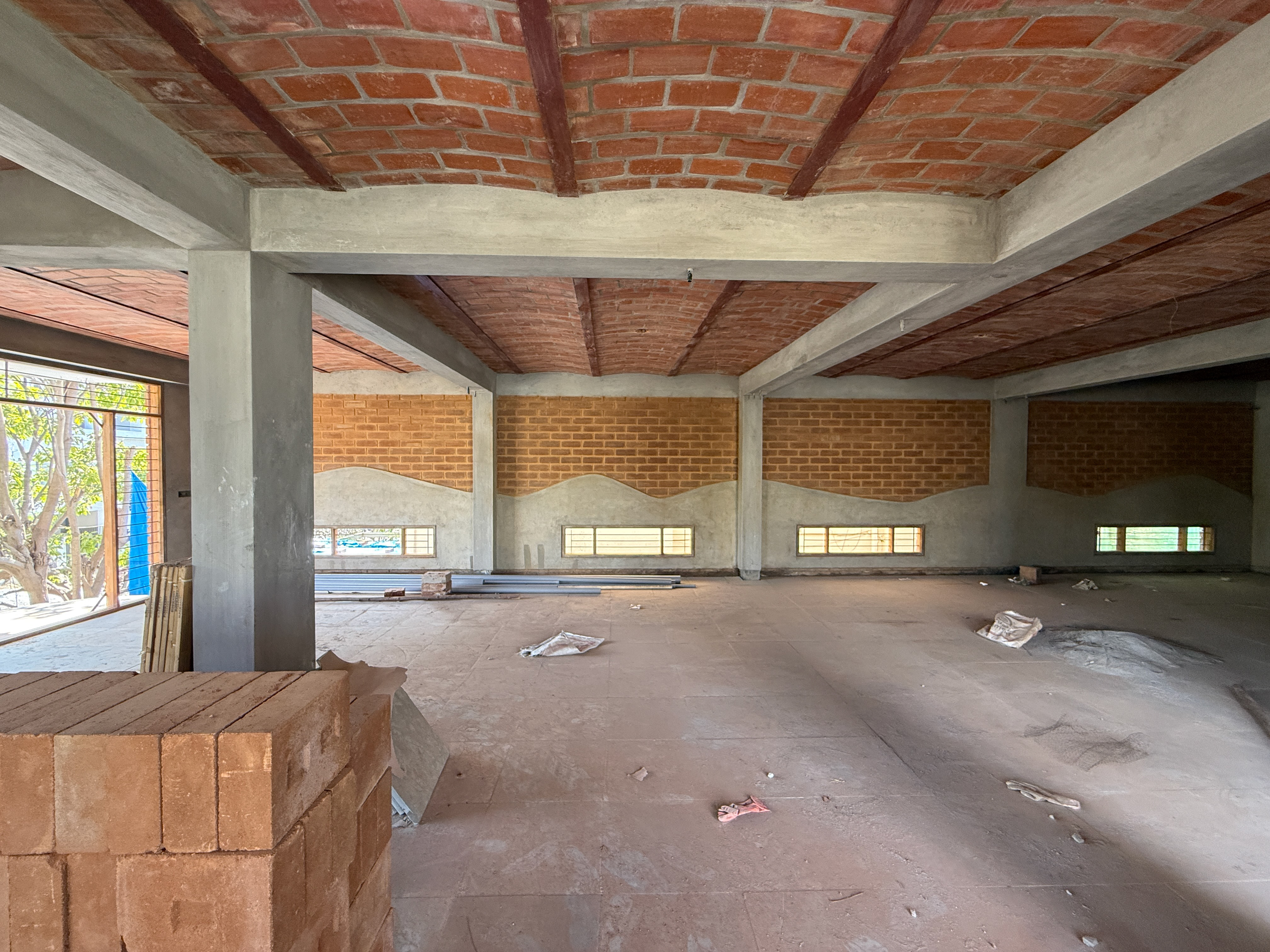
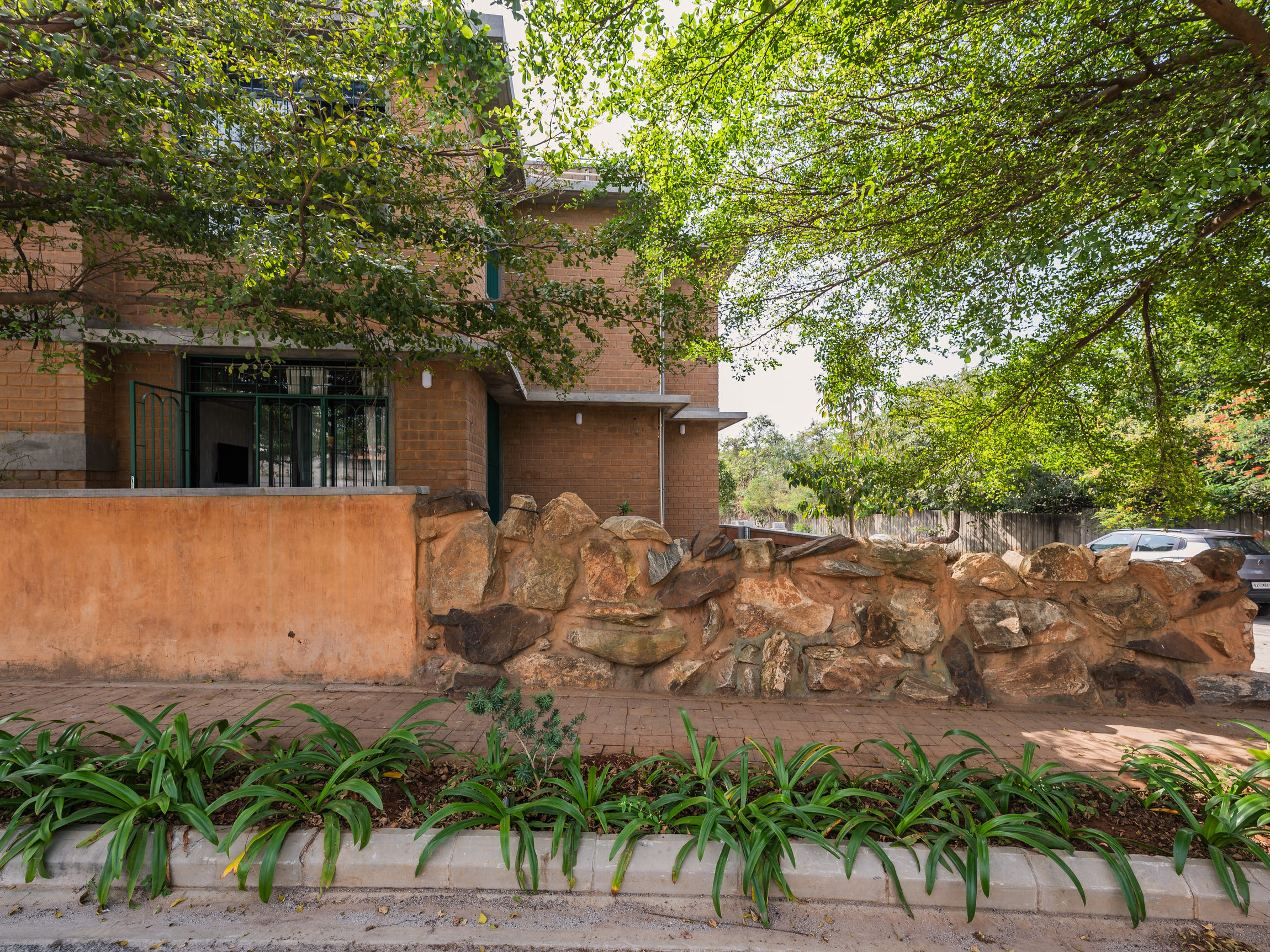
Over the years, I have come to believe that effortlessness in architecture is not the absence of work—it is the result of deep thinking, restraint, and clarity. What we often describe as “detail” is not an addition at the end of a project, but a process of refinement that begins at the very first decision. When nothing feels forced or excessive, when a space works intuitively with the people who inhabit it, that is where good design quietly reveals itself.
Today, we design in a world saturated with choice. There is unprecedented access to materials, finishes, construction systems, and global references. Alongside this abundance sits the constant stream of images from social media—beautiful, persuasive, and often disconnected from context. Climate, culture, budget, and purpose are edited out, leaving behind fragments of inspiration that can be misleading.
In this environment, it is easy to mistake accumulation for quality. More materials, more textures, more features—chosen with the hope that they will elevate a space. But very often, the opposite happens. Intent becomes diluted. Spaces lose clarity. What could have been timeless becomes visually loud and quickly dated.
At Studio Alaya, we see restraint not as limitation, but as responsibility. Every additional material carries a cost—not only financial and environmental but also Visual. Complexity increases execution challenges, long-term maintenance, carbon footprint and visual clutter. Design decisions are never neutral. Choosing less—thoughtfully and intentionally—is one of the most sustainable choices we can make.
The idea that “less is more” is not new, but today it feels more relevant than ever. Less consumption, less visual noise, less dependence on trends—these are not aesthetic positions alone. They are ethical ones.
As designers, our role is not to assemble popular elements or respond to algorithms. It is to imagine, to edit, and to bring clarity. That often means saying no—sometimes repeatedly—until the space arrives at what it truly needs to be. Clients play an equally important role when they seek understanding over excess and trust process over catalogues.
Good design does not announce itself. It settles into daily life with ease. It allows light, material, and space to work quietly together. Over time, it grows familiar rather than tired.
When nothing feels missing, and nothing feels overdone—that is where real detail lives.