What Clients Often Expect vs What Architecture Actually Involves
(Design is not just drawings — it is responsibility in motion.)
Many projects begin with a simple assumption: once the drawings are ready, the heavy lifting is done. Plans are approved, elevations are finalised, and it feels as though the vision has taken shape. But architecture is far more than the documents that represent it.
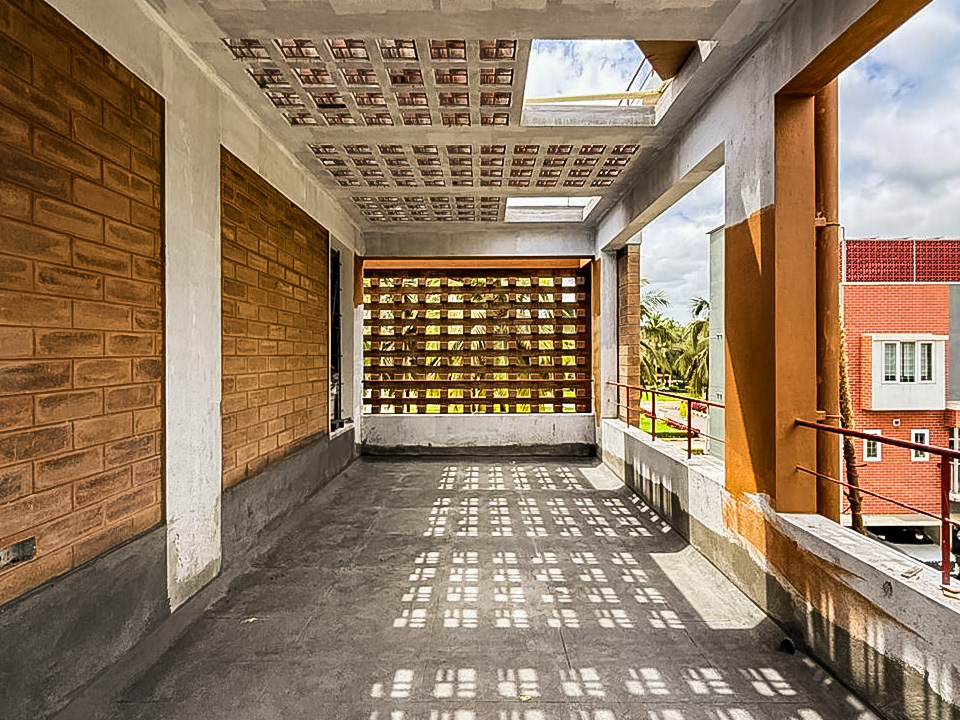
Every line on a drawing carries layers of decision-making — structural logic, climate response, material performance, regulatory compliance, cost sensitivity, and long-term functionality. What appears to be a simple wall placement may have implications for ventilation, daylight, load transfer, and future maintenance. Architecture is not the act of drafting; it is the act of thinking ahead. It is the discipline of resolving complexity before it becomes expensive or irreversible.
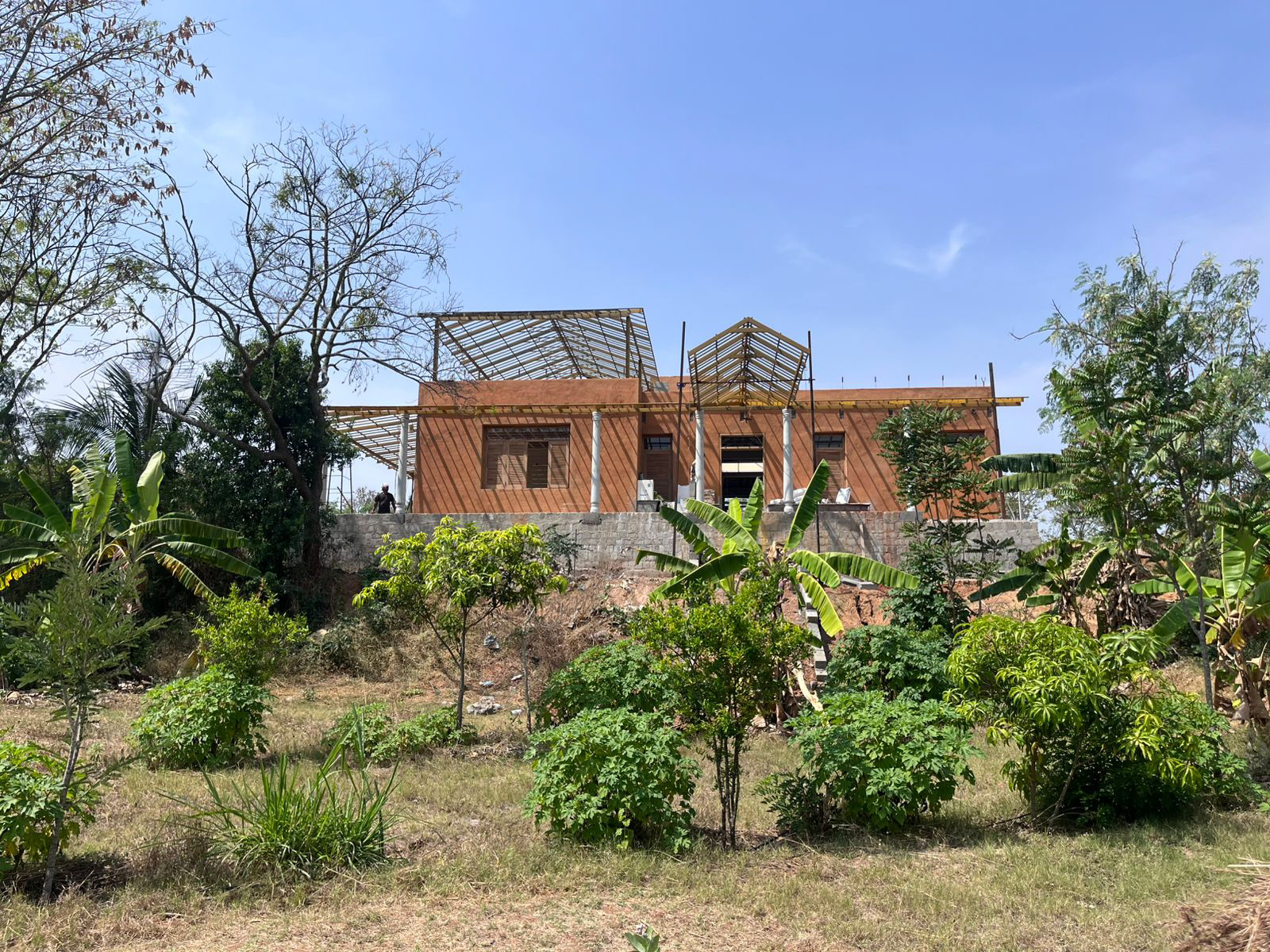
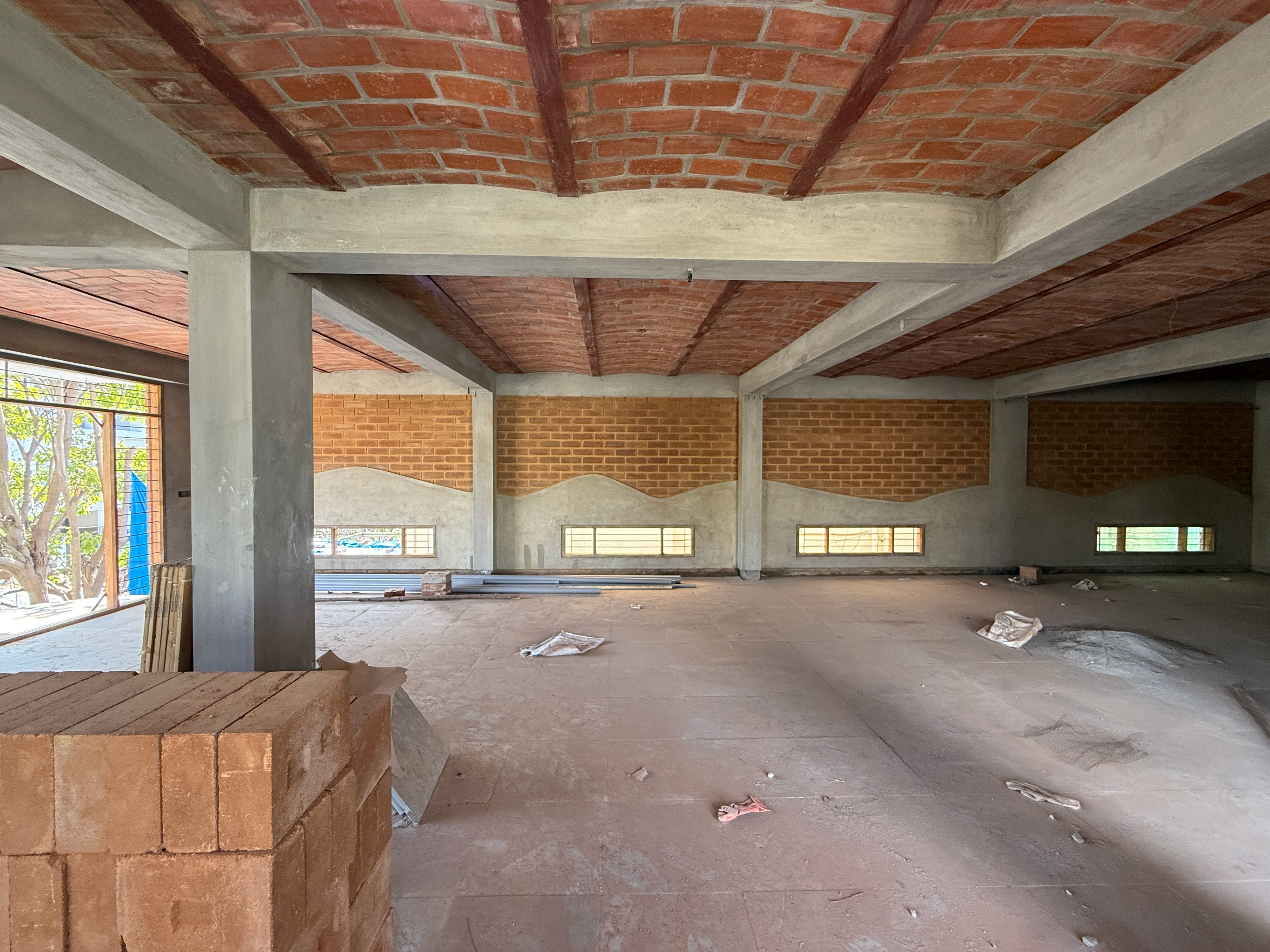
And design does not end when construction begins. On site, realities shift. Soil conditions differ, contractor interpretations vary, materials behave unpredictably. Small adjustments like moving a window, changing a finish — ripple through structure, timelines, and budgets.
Architecture is an interconnected system where no decision exists in isolation.
Architectural fees are not payments for drawings alone; they reflect accountability.
Architects assume technical, financial, and ethical responsibility for decisions that shape both experience and durability. Good architecture is rarely dramatic in its process — but it is deliberate, coordinated, and carefully protected from unseen risks.
When this depth is understood, projects transform. They move from transactional exchanges to collaborative journeys. And that is when buildings become meaningful spaces.