When you think back to the home you grew up in, what really lingers? It’s rarely the number of rooms or the size of the kitchen. What stays with you is the feeling — the energy shaped by the people who lived there.
It’s the warmth of sunlight settling into a quiet corner.
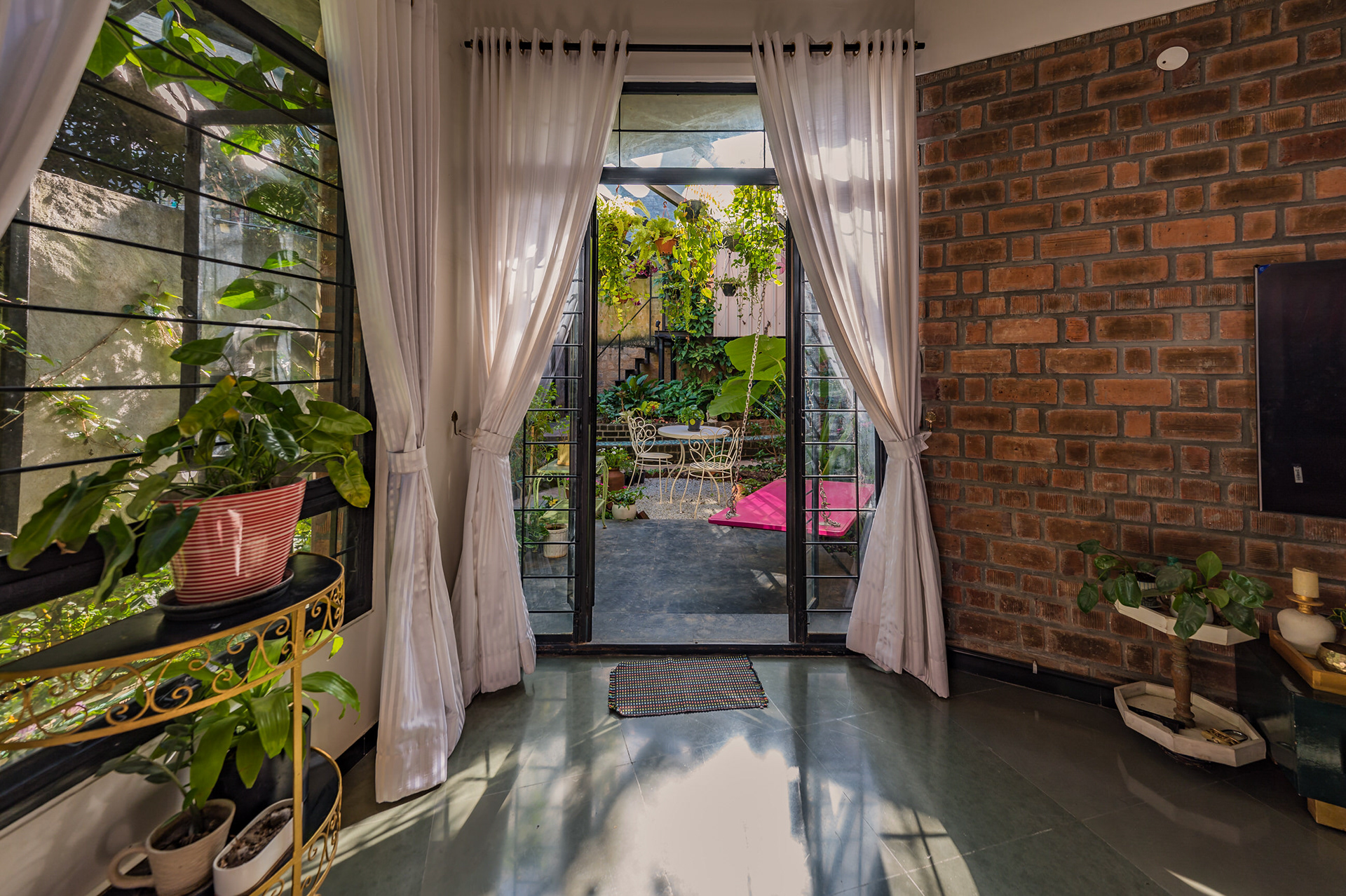
The garden where your childhood unfolded.
The familiar smell of food that meant comfort.
The pets that filled the place with life.
The garden where your childhood unfolded.
The familiar smell of food that meant comfort.
The pets that filled the place with life.
These are the threads that weave belonging. That’s where nostalgia resides.
Sustainability, in many ways, begins in the same place. At its heart, it’s awareness — an honest clarity about what you choose and why. We’ve made it sound complex, but it doesn’t have to be. It isn’t about giving up; it’s about choosing with intention.
This philosophy matters just as much when building a home as it does when living in one. Before adding a room, bringing in a piece of furniture, or sketching a new space, pause and ask:
Why do I need this?
How long will it matter to me?
Will this space add meaning or joy to my life?
What experience do I want this place to hold?
Trend-hopping is effortless. Replicating what others have is even easier. But choosing a space that truly aligns with the life you want — that takes a little honesty.
A home becomes sustainable when it supports your well-being, when it holds memories that uplift you rather than weigh you down. Ask yourself: What brings me joy? Because the last thing you want is to spend years maintaining something that overwhelms you instead of nourishing you.
These are the reflections we invite our clients to sit with. Sometimes the answers reaffirm their vision. Sometimes they redefine it completely. Either way, the inquiry itself is what transforms a structure into a home — a place that grows with you, supports you, and stays meaningful for years to come.