Design Is Not a Product. It’s a Process.
There’s a common misunderstanding around design.
Many people see it as the final drawing, the 3D render, the finished building, the polished photograph. Something tangible. Something deliverable.
But design was never just the output.
It is the journey that leads to it.
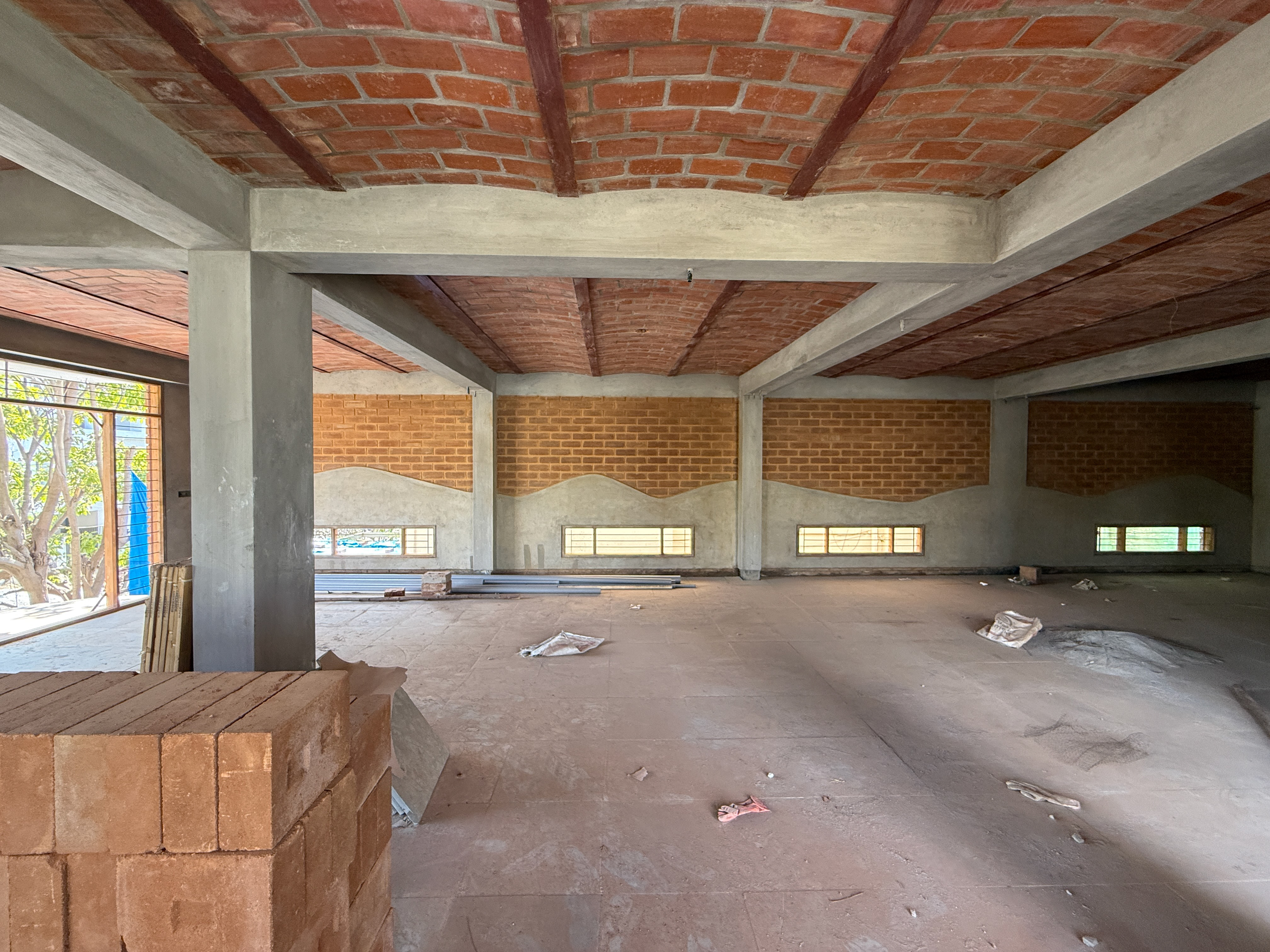
When a client first approaches an architect, they often imagine a house, an office, a cafe, a studio. What they don’t see is the invisible layer beneath it all — the questions, the revisions, the structural logic, the climate studies, the coordination calls, the budget recalibration, the site constraints, the human negotiations.
Design is not a file sent over email.
It is a series of decisions made over months — sometimes years.
It evolves.
It resists shortcuts.
It demands patience.
It resists shortcuts.
It demands patience.
Every line drawn represents a choice between multiple possibilities. Every material selected balances aesthetics, performance, maintenance, cost, and context. Every change in plan ripples across structure, services, and timelines.
That’s not a “product.”
That’s responsibility.
In architecture especially, design carries consequences. It shapes how people move, feel, gather, work, rest, and age within a space. It impacts energy consumption, long-term maintenance, safety, and even emotional wellbeing.
A product can be purchased and replaced.
A design lives on.
And here’s the part most people don’t realise — the process doesn’t move in a straight line. It loops. It refines. It questions itself. Good design is iterative. It improves because it is challenged.
Sometimes the most valuable work happens before anything visible is produced.
Sometimes the strongest decisions are the ones that simplify, not complicate.
Sometimes the strongest decisions are the ones that simplify, not complicate.
Design is not decoration.
It is decision-making under constraint.
It is coordination between disciplines.
It is listening deeply before drawing boldly.
It is holding the larger vision while solving the smallest detail.
It is listening deeply before drawing boldly.
It is holding the larger vision while solving the smallest detail.
When we start seeing design as a process instead of a product, something shifts. Expectations change. Timelines are understood better. Fees are respected differently.
Collaboration becomes healthier.
Because then, we are not buying drawings.
We are investing in thinking.
And thinking — done responsibly — takes time.
The built result is important, of course. It always is.
But what truly defines a project is the integrity of the process that shaped it.
That is where design really lives.